
Choosing the right Scrap Metal Recycling Company is an important decision for businesses and individuals looking to dispose of unwanted metal responsibly while potentially recovering value from recyclable materials. From construction and manufacturing to automotive and commercial operations, organisations can generate significant quantities of scrap metal that require safe, efficient, and environmentally responsible handling.
With numerous recycling providers available, it is important to evaluate more than just pricing. The right recycling partner should offer reliable collection, transparent pricing, responsible processing, appropriate facilities, and professional customer service. Understanding these factors can help you select Scrap Metal Recycling Services that meet your operational and sustainability requirements.
Understand Your Scrap Metal Requirements
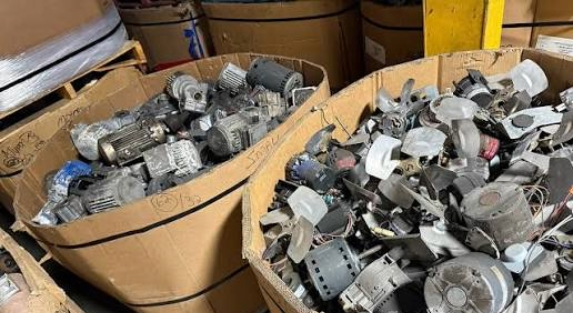
Before choosing a recycling company, determine the type and volume of scrap metal your business generates. Different materials can have different recycling processes and market values.
Common recyclable metals include:
- Copper
- Aluminium
- Steel
- Brass
- Stainless steel
- Lead
- Iron
Some materials are classified as ferrous metals, while others are non-ferrous. Understanding what you have can help you identify a recycling company with the appropriate equipment and expertise.
A professional scrap metal recycler should be able to accept the types of materials your business regularly produces and provide suitable collection or drop-off options.
Check the Company’s Recycling Experience
Experience is an important factor when selecting a Scrap Metal Recycling Company. An established recycler is more likely to have the equipment, infrastructure, and industry knowledge required to process different types of scrap efficiently.
Look for companies with experience serving businesses similar to yours. For example, construction companies may require large-scale scrap collection, while manufacturing businesses may need scheduled pickups and ongoing recycling arrangements.
An experienced recycling provider should also understand how to sort, process, and prepare different metals for recycling while maintaining appropriate safety and environmental practices.
Evaluate Collection and Transportation Services
For businesses generating large quantities of scrap, transportation can be a major consideration. Moving heavy or bulky materials independently may require additional labour, vehicles, and storage space.
Professional Scrap Metal Recycling Services may include collection and transportation directly from your site. Depending on the provider, services may involve scheduled pickups, containers, bins, or specialised vehicles.
When comparing recycling companies, ask about their collection capabilities, pickup frequency, container options, and service areas. A reliable provider should be able to create a collection schedule that fits your operational requirements.
Compare Pricing and Payment Transparency
The value of scrap metal can vary depending on the type, grade, weight, quality, and market conditions. Therefore, pricing should be transparent and easy to understand.
A reputable scrap metal recycling company should explain how materials are assessed and how their value is calculated. Ask whether prices are based on weight, metal type, grade, or current market conditions.
Avoid choosing a provider solely because it advertises the highest price. Consider the complete service package, including collection costs, processing arrangements, payment terms, and reliability.
Transparent pricing can help prevent misunderstandings and make it easier to compare different recycling providers.
Verify Environmental Practices
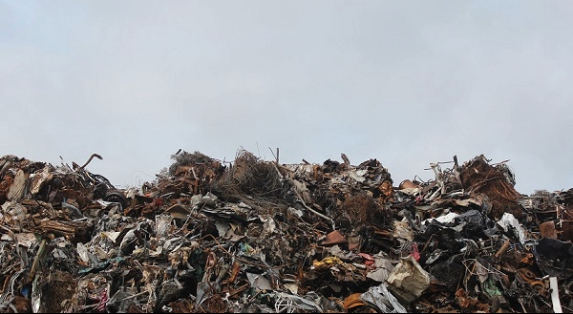
Environmental responsibility should be a major consideration when selecting a recycling partner. Proper scrap metal recycling reduces the amount of material sent to landfill and allows valuable resources to be recovered and reused.
Ask potential providers how they process collected materials and where recyclable metals ultimately go. A responsible metal recycling company should follow appropriate environmental practices and have systems in place to handle materials safely.
For businesses with sustainability objectives, working with an environmentally responsible recycling provider can also support broader waste-reduction and corporate sustainability initiatives.
Consider Their Processing Capabilities
Not all recycling companies have the same processing capabilities. Some may specialise in particular metals, while others offer comprehensive recycling solutions for a wide range of materials.
Find out whether the company has suitable equipment for sorting, separating, cutting, shredding, or processing the types of scrap you generate.
Efficient processing can improve recovery rates and help ensure recyclable materials are properly prepared for reuse. This is particularly important for businesses producing significant volumes of mixed or industrial scrap.
Look for Reliable Customer Service
Customer service can have a significant impact on the overall recycling experience. A professional provider should respond promptly to enquiries, communicate clearly about collection schedules, and provide accurate information about pricing and materials.
Businesses should also consider whether the recycling company can accommodate changes in volume or collection requirements as their operations evolve.
A reliable Scrap Metal Recycling Services provider should function as a long-term partner rather than simply a place to dispose of unwanted metal.
Check Safety and Compliance Standards
Scrap metal handling can involve heavy materials, sharp edges, machinery, and potentially hazardous substances. Safety should therefore be taken seriously throughout collection, transportation, and processing.
Ask whether the recycling company follows appropriate workplace safety procedures and maintains the necessary licences, certifications, and operational standards for its services.
For commercial customers, choosing a compliant recycling provider can help reduce operational risks and support responsible waste management practices.
Read Reviews and Assess Reputation
A company’s reputation can provide useful insight into the quality of its services. Look for customer reviews, testimonials, industry experience, and evidence of long-term commercial relationships.
Pay particular attention to feedback about pricing transparency, pickup reliability, communication, payment processes, and customer service.
A recycling provider with a strong reputation is more likely to deliver consistent service and build a dependable long-term relationship.
Choose a Recycling Partner That Can Grow With You
Your recycling requirements may change as your business grows. Scrap volumes can increase, new materials may be introduced, or collection schedules may need to become more frequent.
Choosing a Scrap Metal Recycling Company that can scale its services with your business can prevent the need to repeatedly search for new providers.
Before making a decision, discuss your current requirements as well as your expected future needs. A flexible recycling partner should be able to adjust collection schedules, container requirements, and service arrangements as necessary.
Make an Informed Recycling Decision
Choosing the right Scrap Metal Recycling Company involves more than comparing scrap prices. Businesses should evaluate the provider’s experience, collection capabilities, pricing transparency, environmental practices, processing facilities, safety standards, and reputation.
The right Scrap Metal Recycling Services provider can help businesses manage metal waste more efficiently, recover value from recyclable materials, reduce disposal requirements, and support sustainable resource management.
By carefully comparing potential recycling partners and selecting a company that matches your operational needs, you can establish a reliable recycling process that delivers both environmental and financial benefits over the long term.
Questions to Ask Before Choosing a Scrap Metal Recycler
Before entering into an agreement with a Scrap Metal Recycling Company, businesses should ask a few practical questions to ensure the provider can meet their requirements. Understanding the answers can help prevent unexpected costs and service disruptions.
Consider asking:
- What types of scrap metal do you accept?
- Do you provide on-site collection services?
- How frequently can scrap be collected?
- How is scrap metal weighed and valued?
- Are there additional transportation or processing charges?
- How do you handle mixed or contaminated materials?
- What environmental and safety procedures do you follow?
- Can you provide documentation for recycled materials?
- Do you offer scheduled commercial recycling services?
- Can your services accommodate increasing scrap volumes?
Clear answers to these questions can help businesses compare providers more effectively and identify a recycling partner that offers dependable service.
The Importance of Proper Scrap Metal Sorting
Proper sorting can significantly improve the efficiency and value of recycling. Different metals have different characteristics and market values, so separating materials before collection can make processing easier.
For example, copper, aluminium, brass, and steel should generally be separated where practical. Businesses that establish dedicated collection areas for different metal types can improve waste management and make it easier for their recycling provider to process materials.
A knowledgeable scrap metal recycling service provider can also advise businesses on appropriate sorting procedures. This can reduce contamination, improve recovery rates, and potentially increase the value received for recyclable materials.
Benefits of Building a Long-Term Recycling Partnership
Rather than treating scrap disposal as an occasional task, businesses can benefit from establishing an ongoing relationship with a professional Scrap Metal Recycling Company.
A long-term arrangement can provide more consistent collection schedules, streamlined communication, better understanding of material requirements, and improved waste-management planning. For businesses with regular scrap generation, this approach can also reduce the administrative burden associated with arranging individual recycling collections.
A reliable recycling partner can become an important part of a company’s broader waste-management and sustainability strategy.
Final Considerations
The right Scrap Metal Recycling Services provider should offer a combination of reliable collection, transparent valuation, efficient processing, environmental responsibility, safety, and professional customer service.
Businesses should avoid making their decision based solely on the price offered for scrap. The quality and reliability of the overall service are equally important.
By assessing a recycling company’s capabilities, reputation, environmental practices, pricing structure, and ability to meet future requirements, businesses can choose a partner that supports efficient scrap management and responsible resource recovery.