Businesses across construction, electrical, telecommunications, manufacturing, and industrial sectors often generate significant quantities of discarded cables. Instead of sending these materials to landfill or treating them as general waste, businesses can recover valuable resources through Scrap Cable Recycling.
Professional cable recycling can help businesses improve waste management, recover material value, reduce environmental impact, and support more sustainable operations. Understanding the benefits of scrap cable recycling can help businesses make better decisions about how they handle cable waste.
What Is Scrap Cable Recycling?
Scrap Cable Recycling is the process of collecting, sorting, processing, and recovering reusable materials from unwanted electrical and industrial cables. Many cables contain valuable metals such as copper and aluminium, along with insulation and other materials.
During the recycling process, cables are typically sorted and processed to separate the valuable metal from insulation and other components. The recovered materials can then be used in manufacturing and other applications, reducing the need to source entirely new raw materials.
Reduce Business Waste
One of the primary benefits of scrap cable recycling is improved waste management. Businesses that regularly handle electrical installations, construction projects, equipment upgrades, or industrial operations can accumulate large amounts of cable waste.
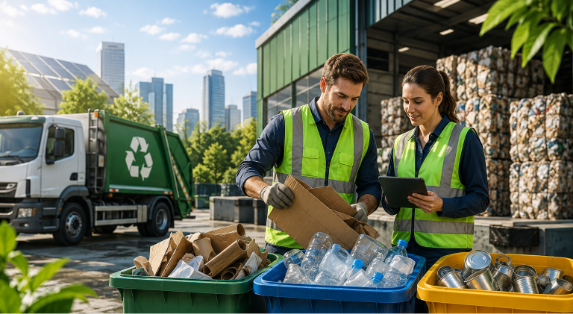
Recycling provides a dedicated pathway for these materials instead of allowing them to accumulate on-site or enter general waste streams. A structured cable recycling program can help businesses maintain cleaner work areas and improve overall waste-management practices.
Recover Valuable Materials
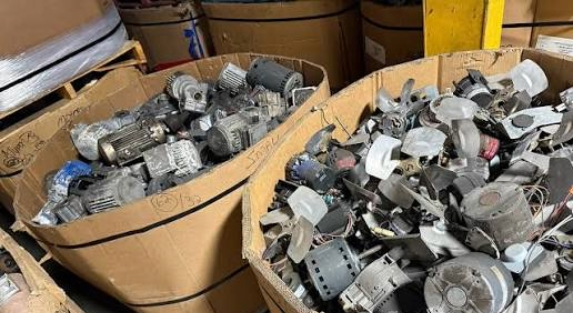
Scrap cables can contain valuable metals, particularly copper and aluminium. Recycling allows businesses to recover these materials rather than treating cables solely as waste.
The value of recovered material depends on factors such as cable type, metal content, quantity, condition, and prevailing commodity prices. Businesses generating substantial cable waste may therefore be able to recover some financial value from materials that would otherwise have little or no value as general waste.
Lower Environmental Impact
Cable recycling can help reduce the environmental impact associated with extracting and processing virgin raw materials. Recovering metals from existing products helps keep useful resources in circulation and reduces the amount of material sent to landfill.
For businesses working toward sustainability objectives, cable recycling can form part of a broader resource-recovery and waste-reduction strategy.
Support a Circular Economy
The circular economy focuses on keeping materials and resources in use for as long as possible. Scrap Cable Recycling supports this principle by recovering materials from discarded cables and returning them to productive use.
Instead of following a linear model of producing, using, and disposing of materials, businesses can contribute to a system where valuable resources are recovered, processed, and reused.
Improve Workplace Organisation
Large quantities of discarded cables can take up valuable storage space and create unnecessary clutter in warehouses, workshops, construction sites, and industrial facilities.
Implementing an organised scrap cable recycling service can help businesses separate cable waste from other materials and establish a clearer waste-management process. Regular collection and recycling can also reduce the amount of accumulated scrap occupying operational areas.
Strengthen Corporate Sustainability Goals
Customers, employees, investors, and other stakeholders are increasingly interested in how businesses manage environmental responsibilities. Implementing effective recycling practices can demonstrate a commitment to responsible resource management.
Adding scrap cable recycling to an organisation’s sustainability initiatives can complement other activities such as metal recycling, electronic waste recovery, construction waste management, and general resource recovery.
Suitable for Multiple Industries
Cable waste is generated across many industries. Electrical contractors may produce cable offcuts during installations, while construction companies can generate cable waste during demolition and renovation projects.
Manufacturing facilities, telecommunications companies, infrastructure contractors, and industrial businesses can also generate significant quantities of obsolete or damaged cables. Professional scrap cable recycling solutions can therefore be adapted to different operational requirements and waste volumes.
Why Choose Professional Scrap Cable Recycling Services?
Managing cable waste internally can require additional labour, storage space, sorting processes, and transportation arrangements. Working with a professional recycling provider can simplify these responsibilities.
An experienced recycling company can help businesses with collection, sorting, material recovery, and responsible processing. Depending on the service, businesses may also receive guidance on separating different cable types to improve recovery efficiency.
How to Start a Scrap Cable Recycling Program
Businesses can begin by identifying where cable waste is generated and estimating the volume produced over a typical period. Separate collection areas can then be established for cables and other recyclable materials.
The next step is to work with a suitable recycling provider that can accommodate the business’s material types, collection requirements, and recycling volumes. Maintaining clear records of recycled materials can also help businesses measure the effectiveness of their waste-reduction efforts.
Conclusion
Scrap Cable Recycling offers businesses an effective way to manage cable waste while recovering valuable resources and supporting environmental objectives. From reducing landfill waste and improving workplace organisation to recovering copper and aluminium, cable recycling can provide both operational and sustainability benefits.
For businesses that regularly generate cable waste, establishing a reliable scrap cable recycling service can be a practical step toward more efficient and responsible waste management.
Frequently Asked Questions About Scrap Cable Recycling
1. What types of cables can be recycled?
Many types of electrical, telecommunications, data, industrial, and power cables can be recycled. The exact materials accepted depend on the recycling provider and the cable’s composition.
2. Is copper recovered from scrap cables?
Yes. Copper is commonly recovered from many types of scrap cables. The cable is processed to separate the copper conductor from insulation and other materials.
3. Can businesses make money from scrap cable recycling?
Potentially. Scrap cable may have recoverable material value, particularly when it contains copper or aluminium. The value depends on factors such as metal content, quantity, cable type, and current market conditions.
4. Why should businesses recycle scrap cables?
Businesses can recycle scrap cables to reduce waste, recover valuable materials, improve resource efficiency, support sustainability initiatives, and reduce the amount of material sent to landfill.
5. How should businesses prepare cables for recycling?
Businesses should follow their recycling provider’s requirements. Separating cable waste from general waste and keeping different material types organised can make collection and processing more efficient.
6. Can construction companies use scrap cable recycling services?
Yes. Construction, demolition, electrical, and infrastructure projects can generate substantial cable waste. A dedicated recycling service can help these businesses manage cable offcuts and other unwanted cable materials more efficiently.
7. What is the difference between cable recycling and cable disposal?
Cable recycling focuses on recovering usable materials such as copper and aluminium, while disposal generally involves sending waste to a landfill or another disposal facility. Recycling prioritises material recovery and reuse.