Understanding Commercial Recycling for Businesses
Commercial recycling is an essential part of modern business operations, helping organisations reduce the amount of waste they send to landfill. Businesses across Australia generate different types of recyclable materials, including cardboard, paper, plastics, glass, aluminium, steel, copper, and electronic waste. Commercial recycling in Australia provides businesses with practical systems for collecting, sorting, processing, and recovering these materials. Instead of treating recyclable materials as unwanted waste, companies can view them as valuable resources. A structured recycling program can improve workplace efficiency, support environmental objectives, reduce disposal requirements, and contribute to a more sustainable approach to business waste management.
Why Businesses Need Effective Waste Management
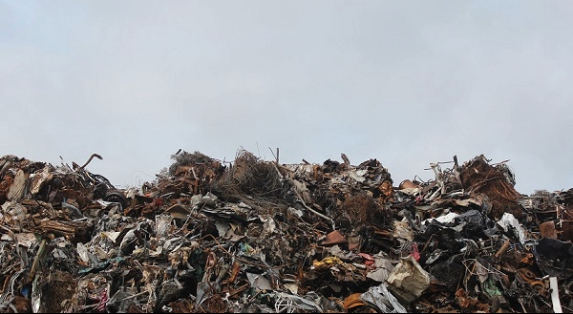
Businesses can generate considerable volumes of waste depending on their industry, workforce, location, and daily operations. Offices may produce paper and packaging waste, while warehouses, construction companies, manufacturers, and retailers can generate significant quantities of cardboard, plastics, metals, and other materials. Without an effective waste management strategy, recyclable materials can easily end up in general waste. This increases landfill volumes and may result in unnecessary disposal costs. Implementing a structured commercial recycling program allows businesses to identify recyclable materials, separate them correctly, and ensure they are directed toward appropriate recovery channels rather than being unnecessarily discarded.
Conduct a Commercial Waste Audit
Before introducing new recycling procedures, businesses should understand exactly what types of waste they generate. A commercial waste audit involves examining waste produced across different departments, facilities, or operational areas. The audit can identify recyclable materials, common sources of waste, contamination problems, and opportunities for waste reduction. For example, a warehouse may discover that cardboard represents a large proportion of its waste, while an engineering business may generate significant quantities of scrap metal. Understanding these patterns allows businesses to develop targeted business recycling services and collection systems that address their actual waste streams instead of relying on a generic recycling solution.
Separate Recyclable Materials at the Source
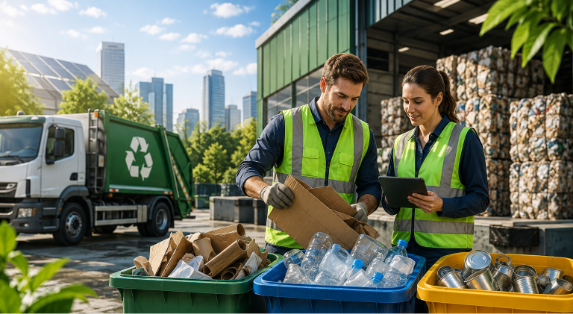
Source separation is one of the most effective ways to improve commercial recycling results. Businesses should provide clearly labelled containers for different materials wherever practical. Cardboard, paper, aluminium, plastics, glass, and scrap metals should ideally be separated from general waste to minimise contamination. In industrial environments, separating ferrous and non-ferrous metals can also improve recovery efficiency. When recyclable materials are mixed with food waste, chemicals, liquids, or other contaminants, their recycling potential may be reduced. Clear signage and conveniently positioned recycling stations can encourage employees to dispose of materials correctly and make recycling a normal part of everyday business operations.
Work with Professional Business Recycling Services
Managing commercial recycling internally can become challenging, particularly for businesses generating large quantities or multiple types of recyclable materials. Professional business recycling services can provide collection, transportation, sorting, processing, and resource recovery solutions according to a company’s requirements. Depending on the provider, businesses may access scheduled collections, recycling bins, skip bins, scrap metal collection, cardboard recycling, e-waste services, and waste audits. Working with an experienced recycling provider can also help businesses understand how different materials should be separated and handled. A tailored recycling program can make waste management more efficient while allowing employees to focus on their core business responsibilities.Recycle Scrap Metal and Valuable Materials
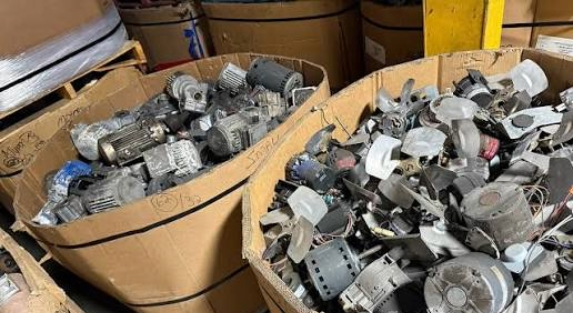
Many Australian businesses generate scrap metal as part of their regular operations. Construction companies, automotive workshops, manufacturers, engineering businesses, warehouses, and fabrication facilities may produce steel, aluminium, copper, brass, stainless steel, alloy wheels, and other metal waste. Instead of sending these materials to landfill, businesses can use professional metal recycling services to recover valuable resources. Separating different metals can make processing more efficient and help recyclers determine the appropriate material grade. Non-ferrous metals such as copper and aluminium can have significant recyclable value. Effective scrap metal recycling can therefore support both environmental goals and more efficient resource utilisation.
Reduce Packaging Waste
Packaging is a major source of commercial waste for retailers, warehouses, manufacturers, logistics companies, and e-commerce businesses. Cardboard boxes, plastic wrapping, protective materials, and other packaging can quickly accumulate during daily operations. Businesses can reduce packaging waste by selecting suppliers that use recyclable or minimal packaging, reusing suitable boxes, and improving inventory and shipping practices. Cardboard and other recyclable packaging should be separated from general waste so they can enter appropriate recycling streams. Reducing packaging at the source is particularly valuable because it prevents waste from being generated in the first place, complementing recycling and creating a more comprehensive commercial waste management strategy.
Establish Clear Workplace Recycling Procedures
A recycling system will only work effectively when employees understand what they are expected to do. Businesses should establish simple procedures explaining which materials can be recycled, where they should be placed, and which materials require separate handling. Clearly labelled bins and easy-to-understand signs can reduce confusion and contamination. Employee training should also be considered, particularly when introducing a new recycling program. Businesses can include recycling procedures in workplace inductions and ongoing training. When staff understand the environmental and operational benefits of recycling, participation is more likely to become consistent. Clear procedures are therefore an important component of successful business recycling services.
Manage Recycling Across Multiple Business Locations
Companies operating across multiple offices, warehouses, retail stores, or facilities may face additional recycling challenges. Different locations may follow different procedures, making it difficult to maintain consistent standards or measure performance. A centralised commercial recycling policy can establish common requirements for waste separation, collection, storage, and reporting. Businesses can then compare recycling performance across different locations and identify areas requiring improvement. Standardised waste management procedures also make employee training easier and can improve operational consistency. Working with a recycling provider that can service multiple locations may further simplify collection schedules and provide businesses with a more coordinated approach to commercial recycling.
Recycle Electronic Waste Responsibly
Electronic waste is becoming increasingly common as businesses regularly replace computers, monitors, printers, telecommunications equipment, servers, and other technology. Disposing of unwanted electronics through general waste can result in the loss of recoverable materials and create unnecessary environmental concerns. Businesses should use appropriate e-waste recycling channels for equipment that has reached the end of its useful life. Before recycling electronic devices, companies should also ensure that confidential information has been securely removed from storage devices. Professional recycling providers can help businesses collect and process eligible electronic equipment. Responsible e-waste recycling should therefore be incorporated into broader commercial waste management plans.
Measure Your Recycling Performance
Businesses should monitor recycling performance to determine whether their waste reduction initiatives are actually delivering results. Useful measurements may include total waste generated, recycling volumes, landfill quantities, contamination rates, collection frequency, and the percentage of waste diverted from landfill. Companies generating scrap metals can also track the quantities of copper, aluminium, steel, brass, and other materials recovered. Regular measurement helps identify successful practices and areas requiring improvement. Recycling data can also support sustainability reporting and internal environmental targets. By monitoring performance consistently, businesses can move beyond simply having recycling bins and develop a measurable, continuously improving waste management program.
Reduce Waste Before It Is Created
Recycling is important, but businesses should also focus on preventing waste wherever possible. Reducing waste at its source can be more effective than relying exclusively on recycling after materials have already been discarded. Companies can reduce unnecessary printing, reuse packaging, repair equipment, purchase durable products, minimise disposable materials, and improve inventory management. Businesses can also work with suppliers to identify opportunities to reduce excessive packaging. These measures reduce the amount of material entering the waste stream and can complement existing business recycling services. A successful waste reduction strategy therefore considers the entire lifecycle of materials, from purchasing and use through to reuse, recycling, and final disposal.
Improve Commercial Waste Collection Systems
The way recyclable materials are collected can significantly influence the effectiveness of a recycling program. Businesses should choose collection containers that are appropriate for their available space and waste volumes. Collection frequency should also match the amount of material being generated to prevent overflowing bins and unnecessary storage problems. Professional commercial recycling in Australia can provide businesses with scheduled collection services designed around their operational requirements. Depending on the industry, companies may require dedicated bins, cages, skip bins, compactors, or specialised collection equipment. An efficient collection system ensures recyclable materials move smoothly from the workplace to appropriate processing and recovery facilities.
Create a Long-Term Recycling Strategy
Commercial recycling should not be treated as a one-time environmental initiative. Businesses can achieve better results by developing a long-term recycling strategy that evolves as their operations change. Companies should regularly review waste volumes, recycling rates, contamination levels, collection schedules, and employee participation. New waste streams may also emerge as businesses introduce different products, technologies, or processes. Regular reviews allow companies to adapt their waste management systems accordingly. Professional business recycling services can support this process by providing advice, collection solutions, and resource recovery options. A long-term approach makes recycling a consistent part of business operations rather than a temporary campaign.
Benefits of Commercial Recycling for Businesses
A well-designed recycling program can provide businesses with several environmental and operational benefits. Diverting recyclable materials from landfill supports resource recovery and can reduce the volume of waste requiring disposal. Efficient collection and separation systems can also create more organised workplaces. Businesses may reduce certain disposal requirements while potentially recovering value from recyclable commodities such as scrap metals and cardboard. Recycling programs can additionally support corporate sustainability objectives and demonstrate environmental responsibility to customers, employees, suppliers, and other stakeholders. By integrating commercial recycling in Australia into their wider operations, businesses can create a practical system that supports both resource efficiency and responsible waste management.
Building a Sustainable Business Recycling Program
Developing a successful recycling program does not necessarily require businesses to make major changes immediately. Companies can begin by conducting a waste audit, identifying their most common recyclable materials, and introducing appropriate separation systems. Employee education should then support these processes, while professional business recycling services can provide collection and processing infrastructure. Businesses should monitor their results and make improvements as their requirements change. Whether a company operates an office, warehouse, retail store, construction site, manufacturing facility, or commercial property, its recycling strategy should reflect its specific waste streams. A tailored approach can make recycling practical, measurable, and sustainable.
Conclusion
Reducing commercial waste requires a combination of prevention, reuse, recycling, responsible disposal, and effective monitoring. Businesses that implement structured commercial recycling in Australia can improve how recyclable materials are collected, separated, and recovered while reducing unnecessary landfill disposal. Professional business recycling services can provide the infrastructure and expertise required to manage different commercial waste streams efficiently. From cardboard and packaging to scrap metal and electronic waste, many materials generated by businesses can be recovered rather than discarded. By integrating recycling into a broader waste management strategy, Australian businesses can improve resource efficiency, support sustainability goals, and establish more responsible long-term waste practices.