Introduction
As sustainability becomes a priority for individuals, businesses, and governments alike, recycling plays an increasingly important role in reducing waste and conserving valuable resources. One area that is often overlooked is the recycling of alloy wheels. Every year, thousands of damaged, worn-out, or unwanted alloy wheels are removed from vehicles, creating significant volumes of recyclable metal.
Choosing Alloy Wheel Recycling in Gold Coast helps divert valuable materials from landfill while supporting a circular economy that keeps metals in continuous use. Instead of extracting new raw materials, recycled alloy wheels can be processed and transformed into new products, reducing environmental impact and manufacturing costs.
Whether you’re a vehicle owner, repair workshop, dealership, or fleet operator, responsible alloy wheel recycling contributes to a cleaner environment and a more sustainable future.
What Is the Circular Economy?
The circular economy is an economic model designed to eliminate waste and maximize the value of resources. Unlike the traditional “take, make, dispose” approach, the circular economy focuses on:
- Reusing products whenever possible
- Repairing damaged components
- Recycling materials into new products
- Minimizing landfill waste
- Conserving natural resources
Metals such as aluminium are ideal for this model because they can be recycled repeatedly without losing their quality. This makes alloy wheels one of the most valuable automotive components for sustainable recycling.
Why Alloy Wheels Are Highly Recyclable
Modern alloy wheels are primarily manufactured using aluminium alloys. Aluminium offers several advantages that make recycling highly efficient:
- Lightweight yet durable
- Corrosion resistant
- Fully recyclable
- Requires significantly less energy to recycle than producing new aluminium
- Retains its original properties after recycling
When old wheels reach the end of their usable life, they become valuable raw materials rather than waste.
Professional Alloy Wheel Recycling in Gold Coast ensures these materials are recovered efficiently and returned to manufacturing industries.
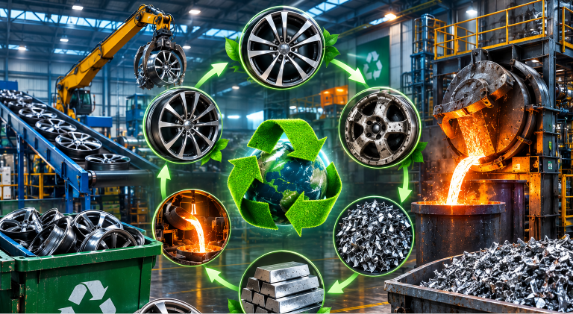
The Alloy Wheel Recycling Process
Many people assume damaged wheels simply end up in landfill. In reality, professional recycling facilities follow a structured process to recover valuable metals.
Collection and Inspection
Used alloy wheels are collected from:
- Vehicle owners
- Auto repair workshops
- Car dealerships
- Insurance companies
- Fleet operators
- Scrap metal yards
Each wheel is inspected before entering the recycling stream.
Sorting
Wheels are separated according to:
- Material composition
- Aluminium grade
- Contamination levels
- Size and condition
Proper sorting improves recovery rates and recycling efficiency.
Cleaning
Tyres, wheel weights, rubber, plastic caps, and other non-metal components are removed.
Clean metal produces higher-quality recycled material.
Shredding
The alloy wheels are mechanically shredded into smaller pieces.
This increases processing efficiency while preparing the material for separation.
Metal Recovery
Advanced equipment removes contaminants and separates aluminium from any remaining metals.
The recovered aluminium is then melted and converted into ingots or billets for reuse.
Reducing the Need for New Mining
Mining aluminium ore consumes enormous amounts of energy and natural resources.
Recycling existing alloy wheels helps reduce:
- Mining operations
- Energy consumption
- Greenhouse gas emissions
- Water usage
- Habitat destruction
Every recycled wheel contributes to lower demand for virgin aluminium, making scrap alloy wheel recycling in Gold Coast an environmentally responsible choice.
Keeping Valuable Materials in Circulation
One of the biggest advantages of the circular economy is extending the life of valuable materials.
Instead of discarding alloy wheels after damage, recycling allows the aluminium to be transformed into:
- New alloy wheels
- Automotive components
- Construction materials
- Industrial machinery
- Consumer products
- Packaging materials
This continuous cycle reduces waste while maximizing resource efficiency.
Supporting Sustainable Manufacturing
Manufacturers increasingly rely on recycled aluminium because it offers both environmental and economic benefits.
Using recycled metal helps manufacturers:
- Reduce production costs
- Lower carbon emissions
- Improve sustainability targets
- Reduce dependence on imported raw materials
- Increase manufacturing efficiency
Businesses that choose alloy wheel disposal in Gold Coast through certified recycling facilities actively support sustainable manufacturing across Australia.
Reducing Landfill Waste
Discarded alloy wheels occupy landfill space for decades despite containing valuable recyclable materials.
Proper recycling helps:
- Reduce landfill volumes
- Prevent unnecessary waste
- Improve landfill management
- Support local recycling infrastructure
- Encourage responsible disposal practices
Instead of becoming environmental waste, alloy wheels become valuable industrial resources.
Lower Carbon Emissions
Producing new aluminium requires significantly more energy than recycling existing material.
Professional Alloy Wheel Recycling in Gold Coast helps reduce carbon emissions by:
- Conserving electricity
- Lowering fuel consumption
- Minimizing industrial emissions
- Reducing transportation of raw materials
These environmental benefits contribute directly to Australia’s sustainability goals.
Supporting Local Recycling Industries
Recycling alloy wheels strengthens the local economy while creating employment opportunities.
The recycling industry supports:
- Collection services
- Transport companies
- Processing facilities
- Manufacturing businesses
- Metal suppliers
- Environmental services
Local recycling also keeps valuable materials within Australia’s manufacturing supply chain.
Benefits for Automotive Businesses
Vehicle workshops, tyre shops, dealerships, and fleet operators generate large quantities of damaged alloy wheels each year.
Professional recycling services help businesses:
- Reduce disposal costs
- Improve environmental compliance
- Increase workplace sustainability
- Generate revenue from scrap metal
- Maintain cleaner facilities
Many businesses now include recycling as part of their environmental management strategy.
Why Choose Professional Alloy Wheel Recycling?
Working with experienced recycling specialists ensures materials are handled safely and responsibly.
Professional recyclers provide:
- Convenient collection services
- Accurate material assessment
- Environmentally responsible processing
- Compliance with recycling regulations
- Transparent pricing
- Efficient metal recovery
Choosing experienced providers also guarantees that recyclable materials remain within the circular economy rather than ending up in landfill.
Why Choose Copper Recycling Industries?
When it comes to Alloy Wheel Recycling in Gold Coast, Copper Recycling Industries is committed to delivering reliable, environmentally responsible recycling solutions for individuals and businesses.
The company focuses on recovering valuable metals through efficient recycling processes that reduce landfill waste and support Australia’s growing circular economy. Whether you have a single damaged alloy wheel or require bulk recycling services for commercial operations, Copper Recycling Industries provides professional service with sustainability at the forefront.
By partnering with a trusted local recycler, customers contribute to conserving natural resources while supporting responsible metal recovery across the Gold Coast.
Tips for Responsible Alloy Wheel Recycling
To maximise recycling efficiency:
- Remove tyres where possible.
- Keep alloy wheels separate from general waste.
- Store scrap wheels in a dry location.
- Use licensed recycling facilities.
- Avoid illegal dumping.
- Recycle damaged rather than discarded wheels.
- Ask about collection services for bulk quantities.
These simple practices help ensure valuable aluminium remains within the recycling system.
Conclusion
The circular economy depends on keeping valuable materials in use for as long as possible, and alloy wheels are a perfect example of this sustainable approach. Through professional Alloy Wheel Recycling in Gold Coast, aluminium can be recovered, processed, and transformed into new products without sacrificing quality.
Recycling reduces landfill waste, lowers carbon emissions, conserves natural resources, and supports sustainable manufacturing while strengthening the local economy. Whether you’re an individual vehicle owner or a commercial automotive business, recycling old alloy wheels is a practical step toward a greener future.
By choosing Copper Recycling Industries, you are partnering with a trusted recycler dedicated to responsible metal recovery, environmental stewardship, and supporting the circular economy for future generations.